Posts

Workshop on Computer Controlled RF Rover @ ISTE SAKEC

Image
ORBO V 2.00 to roll during ISTE SAKEC Workshop on 9th March, 2013 ORBO V 1.00 Content of the Workshop: Intro to Robotics What is robotics? How we can use it in day-to day life. Scope of the workshop:- Using ATMega168  processors as bot-brain. Learning about the Arduino environment. Learning about c++ based processing language IDE. Learning about 4 channel RF control. Learning Arduino-Processing interfacing.          PC- Control theory Processing (An open source Electronic Sketchbook) Advantages and scope for robotics. Serial communications. GUI end user facility. Make Your own programs!. Controlling methods - Mouse,Pen tablet. Precision control- Keyboard.              Generic RF module:- Key to open source “hackable”  design. eg. :- Turbo - using the 5th channel. Using the Rf module for other purpose - E.g Controlling the home electrical system contro...

A journey from 'UV' to 'Electrical'

Image
A bunch of these just made an entry into my IC box. S27C64A-20FA is a 64Kb CMOS EPROM (8Kx8), one of the Obsolete Electronic Component manufactured by Signetics. It comes in 28 pin ceramic Dual Inline package (DIP) with Quartz window. 

Torch Light with Generator

Image
A device that comes in handy during Mountaineering/Trekking Difficulty Rating: 3/10 Motivation: Using AA pencil cell to power a torch is too mainstream & also power consuming. And if you are a Mountaineer, where torch-light is vital, replacing these cells becomes too much of pain in the ass. Instead, how about a torch which doesn't need cell replacement in the first place?? The chargeable torch-lights (china made), like this one, have become a commonplace in today's Electronics market. Commercial Torch-light (Not mine) But does anyone have a similar torchlight, which has lasted more than a year? So I decided to make one for myself, owing to its use during one of the Mountaineering adventures. My prototype It works just fine !!!!! Hardware: A small pipe, wheel, Long screw (for charging purpose), lots of duct tape, white paper (behind LED) Electronics: 4.8V Li-ion battery, Toggle switch, push-button switch, 9 high-power LED, Dynamo, PCB, 2 Capaci...

The Hexapod

Image
Difficulty Rating: 5/10 Hexapod Robot using 12 BO series DC motor (12V-6V and 60RPM) Microcontroller platform is a ARDUINO (clone) using ATMega 328 Used 6 L293D IC's. 1 IC for driving 2 DC motors.

Finally Airborne !!!!!

Image
Introducing,  JATAYU  ( जटायु)  a dual-rotor RC chopper. A sweet souvenir from Malaysia!!! Cost: 120 MYR (Approx. 2000₹) As the time flies by, day by day, year by year the focus starts drifting from small battery operated toys to the toy cars, the remote controlled cars....... and eventually lands up on the flying models (In my case). And once  you get totally involved in the hobby, even your wildest imagination cannot stop you from thinking about it. From the busiest hour or in your deepest sleep, its still there, somewhere, what you are most inclined to,  wanted thing of your life. For me its RC Heli...... The First Flight (Also the first crash :p ) A fine sunday morning at Meru Valley, IPOH City Malaysia. Thought, would take Heli for a quick 'morning-flight'. Took the 2 ft. long birdy and kept it on the ground. Slowly moved the throttle stick, and watched as the heli lifts up smoothly. But as it takes off from ground, it runs into a self rot...

Line follower Robot - without using Microcontroller!!

Image
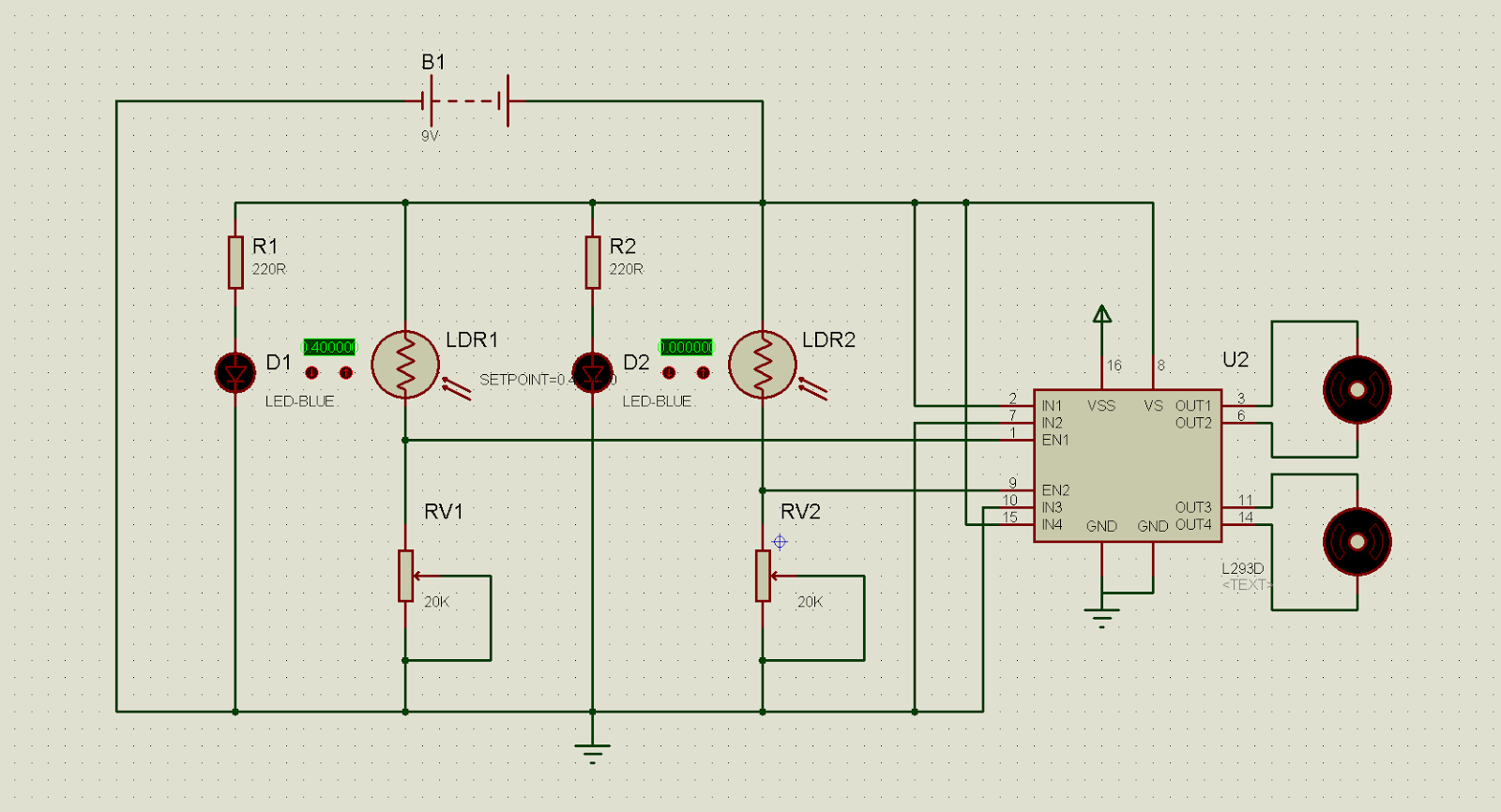
Difficulty Rating : 3/10 Ever wanted to make a Line follower Robot, 'without' using  Microcontroller ??? Then you have visited a right place. Inspiration: I stumbled upon this Robot in my First year of Engineering during one of the Intercollegiate Robotics Championship (Regional) and ever since, it was my dream to make this Robot on my own. I googled for it & got many designs, but all Microcontroller based. I even shortlisted a few but my senior Pratik Kamat asked me take small steps first and suggested me to make one without the use of Microcontroller and with self designed logic. Now, as a part of Electronics workshop in Sem-IV (II Year), we were supposed to make a project based on 'Electronics'. Since I was introduced to Microcontrollers at that stage, I made a proposal to make a Microcontroller based LFR( Line follower Robot). But it was rejected by my Batch in-charge as no microcontroller based projects were allowed for current semester. So i decided...

How to Improve the performances of DC Power supplies & DC motors

Image
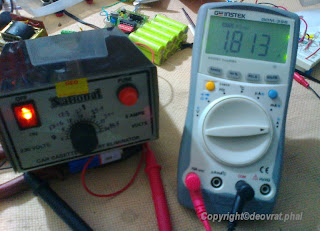
Basically  a DC power supply consists of following - Step down transformer Rectifier ( Bridge Connection) Filter Regulator Regulated DC output A standard, general purpose 24V-5Amp power supply is available at Lamington Road, Mumbai. But it consists of only first three elements of power supply i.e. Step down transformer, Rectifier                              (Bridge Connection) and Filter. If you check its rating using a Multimeter, you will find that its actual Voltage Rating & current Rating  is something beyond the specified values. Its actually 35V (DC) 2Amp along with a comparable value of AC voltage !!  This AC is enough to hamper the performances of the DC devices (mostly DC Motors) which are powered using these messed up power supplies ( It cannot be called blunder as it is serving its purpose of giving DC output ).  As the 'DC' Motors run on ...